
Do You Really Need 4 Different Hospitality Management Tools? Here's the Truth
Do You Really Need 4 Different Hospitality Management Tools? Here's the Truth
!Do You Need 4 Different Hospitality Tools?
You've got one app for scheduling. Another for inventory. A third for tip distribution. And somehow you're still using spreadsheets for purchasing.
Four logins. Four subscriptions. Four different customer support teams who don't talk to each other.
Sound familiar?
If you're running a restaurant and drowning in software tabs, you're not alone. The average restaurant operator juggles between 3-5 different management tools. And here's the kicker—most of them don't even sync properly.
So let's answer the question you've probably been asking yourself: Do you actually need all these tools? Or is there a better way?
The 4 Tools Most Restaurants Are Juggling
Before we dig into whether you need them, let's name them. Most restaurant operators have some version of these four categories running their back-of-house:
1. Scheduling Software
Who's working Tuesday night? Who requested off? Who's about to hit overtime? Scheduling tools handle shift creation, time-off requests, and (ideally) labor cost tracking.
2. Inventory Management
What's in the walk-in? What needs to be ordered? Where did all the avocados go? Inventory tools track stock levels, waste, and usage patterns.
3. Tip Distribution Software
Who gets what from the tip pool? How do you split it fairly between front-of-house and back-of-house? Tip tools calculate, track, and (hopefully) eliminate disputes.
4. Purchasing & Vendor Management
How do you track what you ordered from 12 different suppliers? Purchasing tools consolidate invoices, compare prices, and manage vendor relationships.
Each one solves a real problem. No argument there.
But here's where it gets messy.
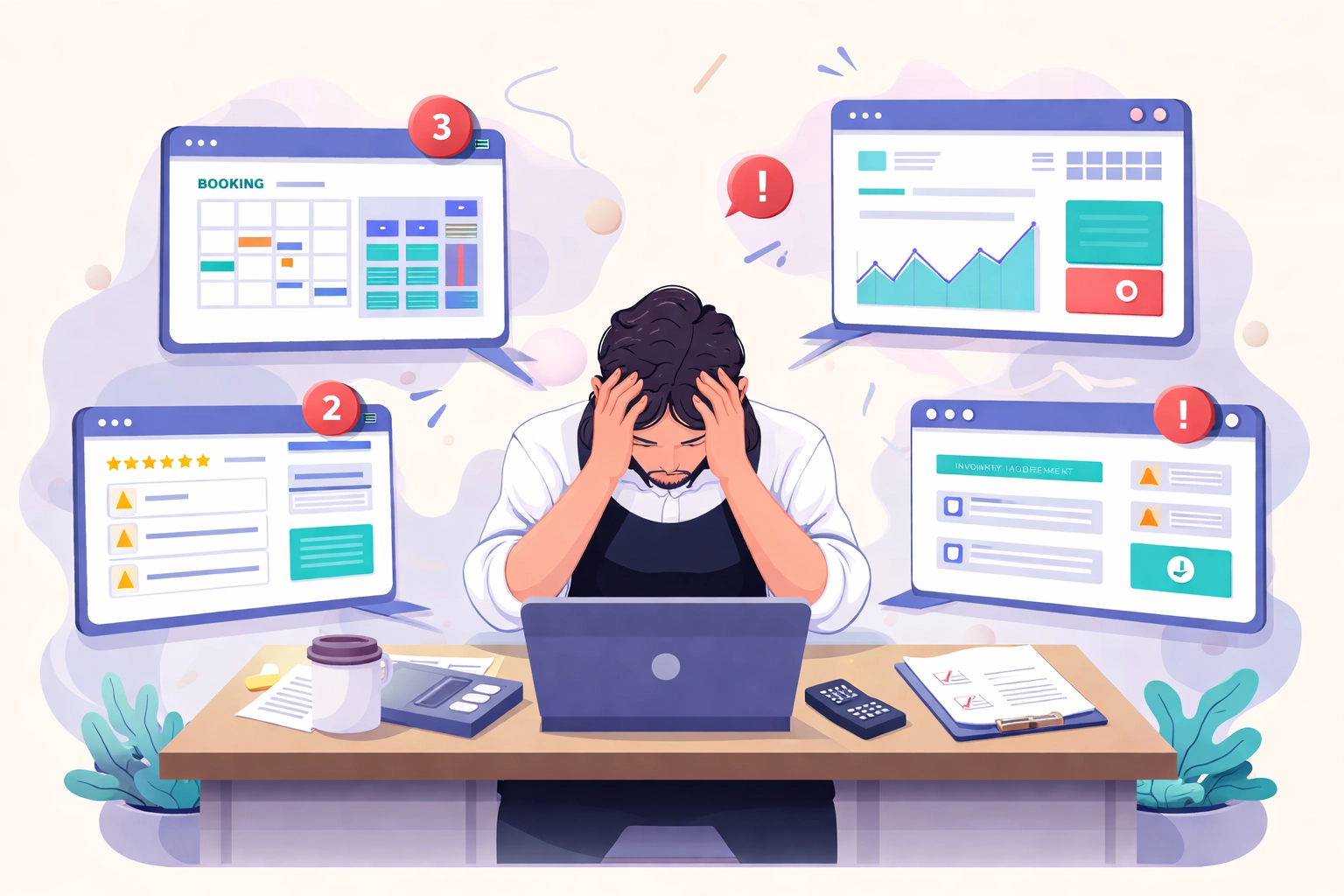
!Frustrated restaurant manager overwhelmed by multiple hospitality software tools
The Real Cost of Tool Sprawl
Running four separate tools isn't just inconvenient. It's expensive. And not just in dollars.
The Money Pit
Let's do some quick math. The average hospitality management software runs anywhere from $50 to $300 per month. Multiply that by four tools, and you're looking at $200 to $1,200 monthly—just on software.
That's $2,400 to $14,400 a year. For tools that don't even talk to each other.
The Time Drain
Every tool has its own login. Its own dashboard. Its own learning curve.
Your managers spend hours each week bouncing between platforms. Entering the same data twice. Exporting CSVs just to import them somewhere else.
That's not management. That's data entry.
The Integration Nightmare
Here's the dirty secret of restaurant tech: most tools don't integrate well.
Your scheduling software doesn't know your tip pool structure. Your inventory system doesn't talk to your purchasing tool. So you end up being the integration layer—manually connecting dots that should connect themselves.
The Training Tax
New hire? Great. Now you need to train them on four different systems.
Four onboarding processes. Four sets of credentials. Four chances for something to go wrong.
It's death by a thousand logins.
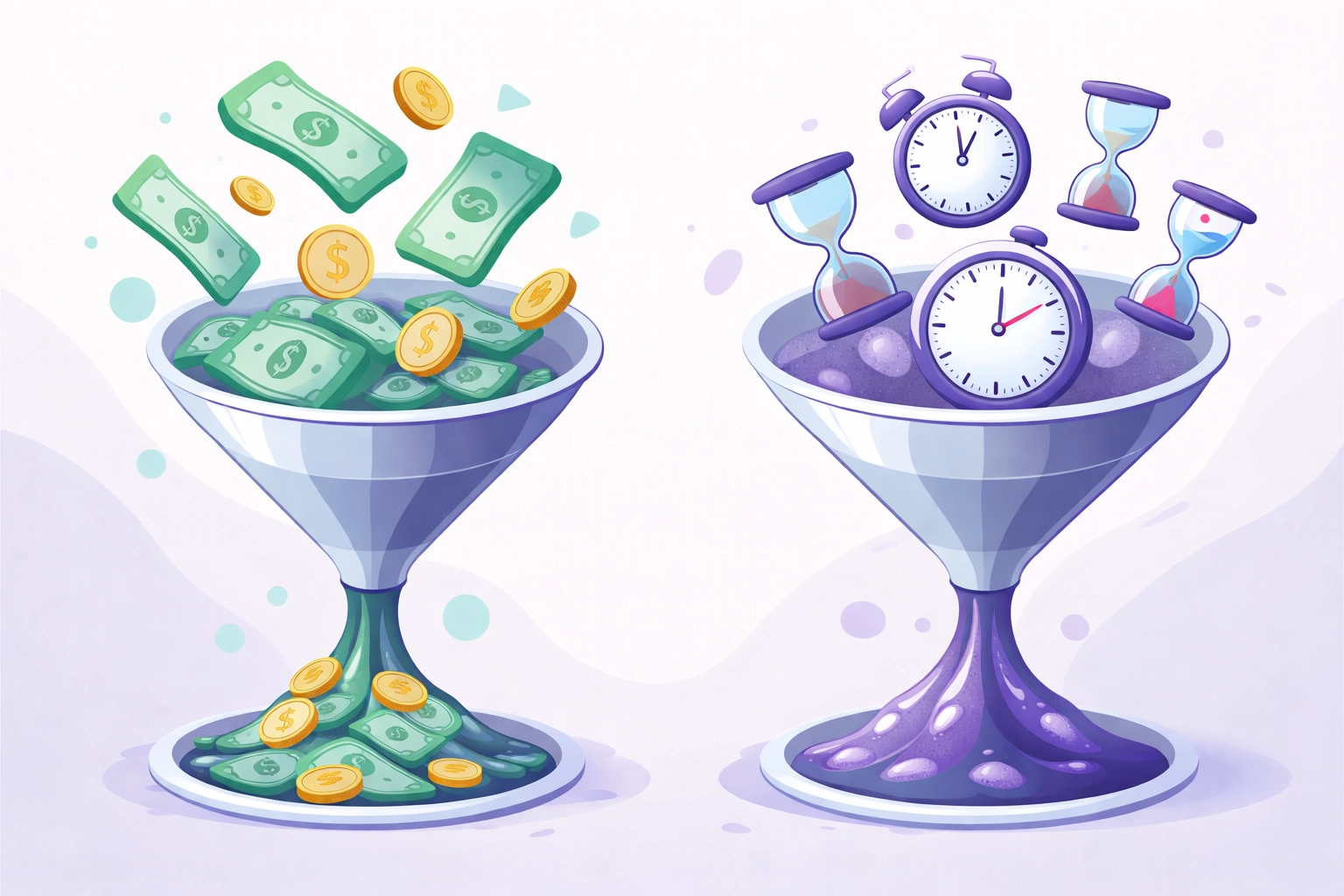
!Visual metaphor of lost money and time from using separate restaurant management tools
When Separate Tools Actually Make Sense
Now, before you rip everything out and start over, let's be honest. Sometimes separate tools are the right call.
You're a large hotel chain or multi-location enterprise.
If you're managing 50+ locations with complex revenue channels, you might need specialized systems that go deep on one function. A dedicated CMMS for maintenance. A robust CRM for guest loyalty. These aren't overkill—they're necessary.
You have a highly specialized operation.
Running a fine-dining restaurant with 200 wines and a sommelier program? You might need a dedicated beverage inventory system that a generalist tool can't match.
You already have tools that work perfectly together.
If your current stack integrates seamlessly and your team loves it, don't fix what isn't broken.
But here's the reality for most restaurants: you're not a 50-location chain. You're a single restaurant, or maybe a small group, trying to keep things running without losing your mind.
And for you, the answer is probably simpler than you think.
The All-in-One Alternative
What if one restaurant management platform could handle scheduling, inventory, tip distribution, and more—all in one place?
That's not a hypothetical. That's the direction the industry is moving.
All-in-one platforms eliminate the integration headaches. They give your team one login, one dashboard, one source of truth. They cut your software costs. And they free up hours every week that you can spend actually running your restaurant.
Here's what a unified approach looks like in practice:
One dashboard for scheduling.
Build shifts, track labor costs, manage time-off requests. No more bouncing between apps. ShiftTide handles this in a single view.
One system for inventory and purchasing.
Track what's in stock. Set par levels. Generate purchase orders automatically when you're running low. StockTide connects your inventory to your ordering so nothing falls through the cracks.
One calculator for tips.
No more midnight math. No more disputes. Set your tip pool rules once, and let the software do the rest. TipTide makes tip distribution fair, fast, and transparent.
Three products. One platform. Zero integration headaches.
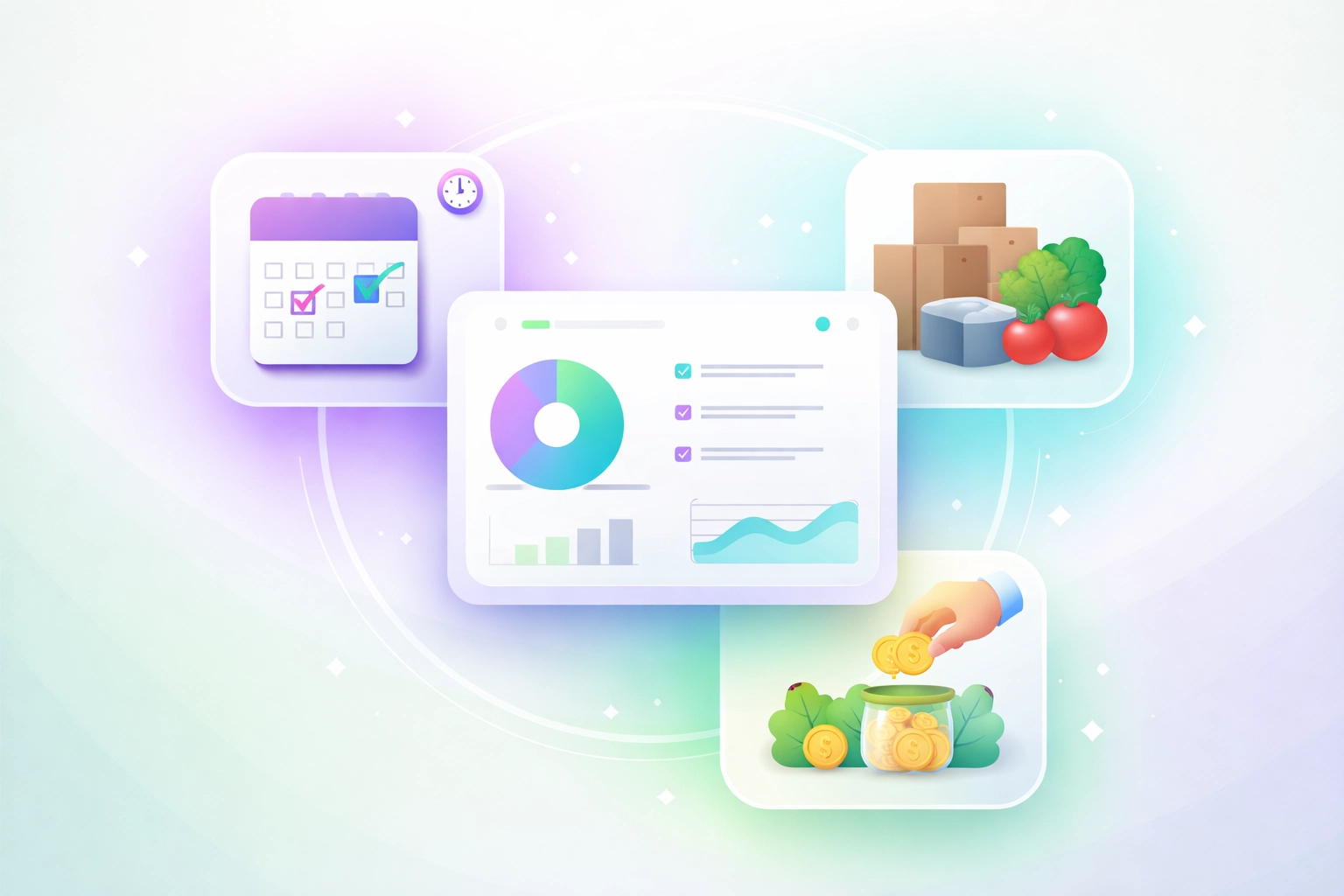
!Unified restaurant management platform integrating scheduling, inventory, and tip distribution
How to Decide What's Right for You
Still not sure if you should consolidate? Ask yourself these five questions:
1. How many hours per week do you spend on admin tasks?
If it's more than 5, you're probably over-tooled.
2. How many different logins does your team use?
More than two? That's friction you don't need.
3. Are you manually moving data between systems?
If yes, you're the integration layer. That's not sustainable.
4. What's your total monthly software spend?
Add it up. Then ask if a unified platform could do it for less.
5. How often do disputes happen because of data inconsistencies?
Tip disputes. Schedule conflicts. Inventory discrepancies. These are symptoms of disconnected systems.
If you answered "yes" or "too many" to most of these, it's time to simplify.
The Bottom Line
You don't need four tools to run a restaurant well. You need one platform that does four things.
Small hotels and B&Bs have already figured this out. They're ditching fragmented systems for all-in-one solutions that handle bookings, front desk, payments, and more in a single place.
Restaurants are next.
The operators who consolidate now will spend less on software. Train their teams faster. And get back hours every week to focus on what actually matters: great food, great service, and a team that isn't burned out from juggling apps.
So here's the truth: You probably don't need 4 different hospitality management tools.
You just need the right one.
Ready to see what a unified restaurant management platform looks like? Check out xTide and see how TipTide, StockTide, and ShiftTide work together to simplify your operations.
No more tab-switching. No more integration headaches. Just one platform that actually works.
Ready to try xTide?
Start your free 30-day trial and see how xTide can streamline your restaurant operations.
Start Free Trial