
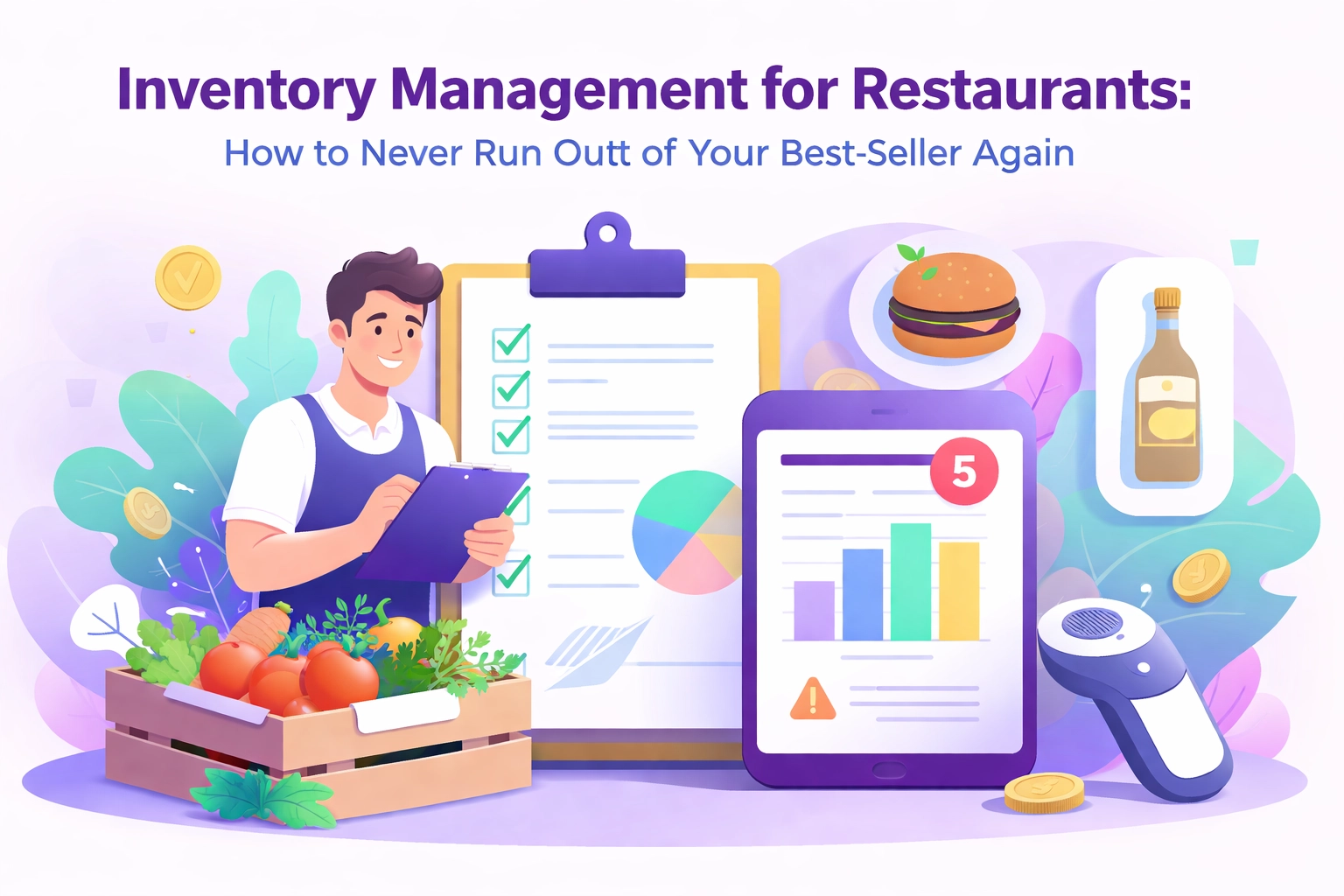
Inventory Management for Restaurants: How to Never Run Out of Your Best-Seller Again
Inventory Management for Restaurants: How to Never Run Out of Your Best-Seller Again
!Inventory Management for Restaurants
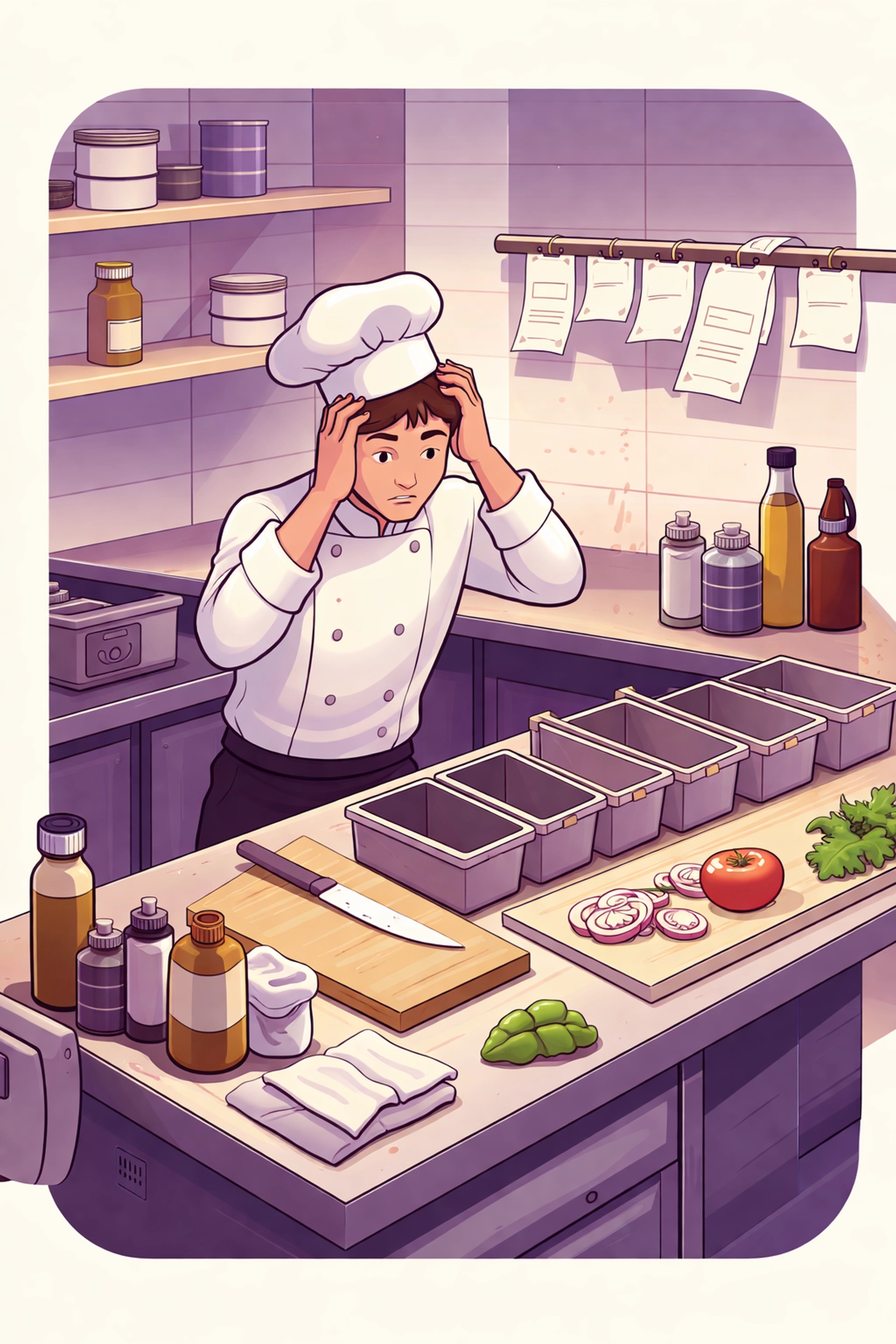
It's Friday night. Your dining room is packed. Orders are flying in. And then it happens.
"86 the short rib!"
Your best-seller. Gone. At 7:30 PM on your busiest night of the week.
Now you're watching servers awkwardly explain to disappointed guests why they can't have the dish they came specifically to order. Some will settle for something else. Others will leave a mediocre review. A few won't come back at all.
Sound familiar?
Running out of your most popular items isn't just embarrassing. It's expensive. And the worst part? It's completely preventable with proper inventory management for restaurants.
The Real Cost of 86'ing Your Best-Seller
Let's do some quick math.
Say your signature dish sells for $28 and moves 40 units on a typical Friday night. That's $1,120 in revenue from one item alone. Run out halfway through service? You just left $560 on the table.
But the damage doesn't stop there.
There's the ripple effect. Guests who came for that dish might order less overall. They might skip dessert. They definitely won't rave about you to friends.
Then there's the kitchen chaos. Your line cooks scramble to push alternatives. Tickets slow down. The whole rhythm of service gets thrown off.
And don't forget the trust issue. Your staff loses confidence in your systems. They start hoarding ingredients "just in case." That leads to over-ordering somewhere else. Now you've got waste and shortages.
Poor inventory management for restaurants creates a cycle of chaos. Breaking that cycle starts with understanding why it happens in the first place.
!Chef facing empty shelves and full order tickets
Why Restaurants Keep Running Out (Even When They Think They're Tracking)
Most restaurant operators aren't ignoring inventory. They're just doing it wrong.
Here are the usual suspects:
The clipboard method. Someone walks the walk-in with a pen and paper once a week. By the time you place orders, the numbers are already outdated.
The "eyeball" technique. "Looks like we have enough chicken." Famous last words.
Spreadsheet chaos. You built a fancy Excel tracker six months ago. Nobody's updated it since March.
No par levels. You're ordering based on vibes instead of data. Some weeks you over-order. Some weeks you don't order enough.
Disconnected systems. Your POS knows what sold. Your inventory sheet knows what you bought. But they don't talk to each other.
The common thread? Manual processes and guesswork don't scale. When you're running a busy restaurant, you need systems that work for you—not more tasks on your already-overflowing plate.
The Fix: Real Inventory Management for Restaurants
Here's the good news. Fixing this isn't complicated. It just requires the right approach and the right tools.
Step 1: Identify Your Fast Movers
Not all inventory is created equal. Your truffle fries need different attention than your backup ketchup.
Start by tracking your sell-through rate. How much of each menu item moves over a week? Which ingredients support your top sellers?
Focus your energy on high-cost and fast-moving items first. Premium proteins. Popular produce. The stuff that hurts when you run out.
This isn't about obsessing over every garlic clove. It's about knowing where the risk lives.
Step 2: Set Par Levels That Actually Work
A par level is the minimum amount of an item you need on hand to get through normal operations.
Here's how to think about it:
If you sell 40 short rib plates on a Friday and each plate uses 8oz of meat, you need at least 20 pounds just for that one night. Add a buffer for unexpected rushes. Account for your delivery schedule.
Now you have a par level.
Set these for every fast-moving ingredient. And here's the key: set them higher for your best-sellers. These are the items where running out costs you the most.
Step 3: Automate the Boring Stuff
Here's where technology becomes your best friend.
Modern inventory management software can:
- Track stock in real time. Know exactly what's in your walk-in without counting.
- Alert you when items drop below par. No more surprise shortages.
- Auto-generate purchase orders. The system does the math so you don't have to.
- Integrate with your POS. Every sale automatically updates your inventory counts.
This removes human error from the equation. No more forgetting to order. No more miscounting. No more "I thought we had more of that."
Tools like StockTide are built specifically for this. You set your par levels once. The system handles the rest. It even lets you order from multiple suppliers through one interface—like Amazon for your restaurant.
Step 4: Forecast Demand Like a Pro
Historical data is a goldmine. Use it.
Your POS knows that you sell 50% more burgers during football season. It knows Mother's Day brunch crushes your egg supply. It knows rainy Tuesdays are slow.
Good inventory management software uses this data to predict what you'll need before you need it. No more guessing. No more gut feelings. Just math.
This is especially crucial for your best-sellers. Anticipating a spike in demand means you can stock up ahead of time instead of scrambling last minute.
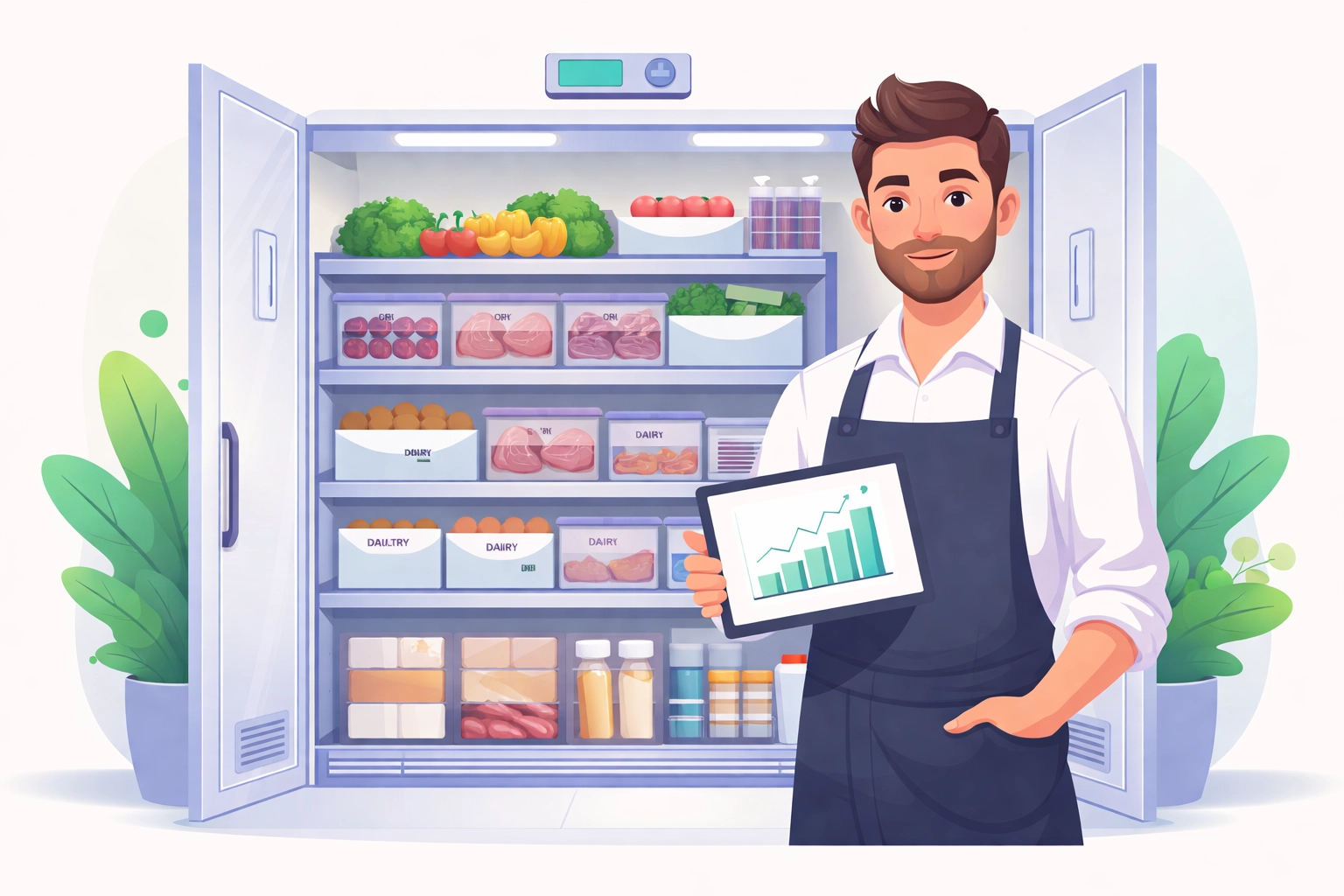
!Manager with tablet and fully stocked walk-in
Step 5: Count What Matters (and Count It Often)
Technology is powerful. But it's not magic.
You still need to verify what's actually on your shelves. Shrinkage happens. Theft happens. That new prep cook who's a little heavy-handed with portions? That happens too.
Here's a realistic approach:
- Daily spot-checks for your top 10 fast movers. Takes 5 minutes.
- Weekly full counts for everything else. Schedule it. Make it non-negotiable.
- Compare counts to what your system says. Discrepancies reveal problems early.
Catching a variance on Tuesday is way better than discovering you're out of salmon on Saturday.
The Payoff: What Changes When You Get This Right
Restaurants that nail inventory management for restaurants see real results:
No more 86'd best-sellers. Your guests get what they came for. Every time.
Less food waste. You order what you need, not what you think you need.
Lower food costs. Tighter controls mean better margins.
Happier staff. No more scrambling. No more angry guests. No more blame games.
More time. Automating the tedious stuff frees you up for what actually matters—running a great restaurant.
It's not about being perfect. It's about having systems that catch problems before they become disasters.
Stop Guessing. Start Knowing.
Running out of your best-seller doesn't have to be a regular occurrence. It doesn't have to be an "acceptable" part of the business.
It's a symptom of broken processes. And broken processes can be fixed.
The restaurants that win are the ones that stop treating inventory as an afterthought. They invest in the right tools. They set smart par levels. They let technology handle the grunt work.
You already know what your best-sellers are. Now it's time to make sure you can actually serve them.
Ready to take control of your inventory? Check out StockTide and see how easy it can be. No more clipboards. No more spreadsheets. No more 86'd signatures.
Just smooth service, happy guests, and margins that actually make sense.
Ready to try xTide?
Start your free 30-day trial and see how xTide can streamline your restaurant operations.
Start Free Trial